
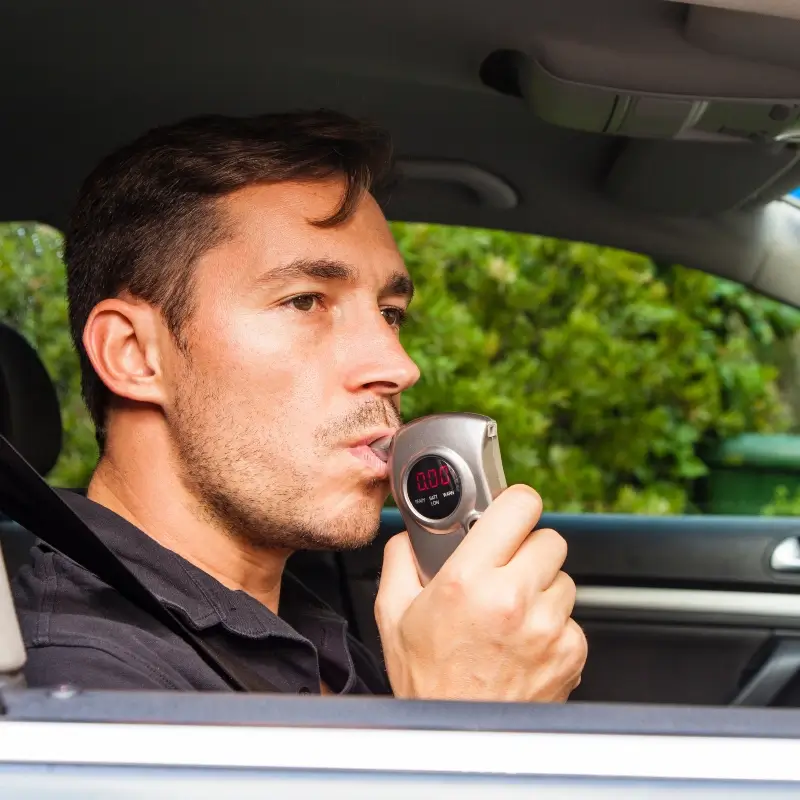
UK Drink-Driving Disqualification Explained
Failing a roadside breathalyser test can be a frightening experience, particularly if you have never been stopped by the police before. You may be worried about being arrested, losing your driving licence or facing criminal charges, especially if you are uncertain about what happens next.
In England and Wales, failing a roadside breathalyser does not automatically mean you have committed a drink-driving offence. The roadside test is normally the first stage of an investigation, and further testing is generally required before the police can establish whether you were driving over the legal alcohol limit.
If you have failed a breathalyser test or been arrested on suspicion of drink-driving, getting specialist legal advice early can help you understand your rights and what may happen next. At Stryders, our experienced criminal defence solicitors can advise you during the investigation and provide representation if your case proceeds to court.
If you have failed a breathalyser test or have been charged with drink-driving, contact Stryders on 0333 577 2999 for specialist legal advice. Our experienced criminal defence solicitors can examine the evidence, explain the potential penalties and advise on the factors that may influence the length of a driving ban. Where appropriate, we can also explore possible defences, consider whether special reasons may apply and represent you in court, helping you understand your options and the potential consequences of a conviction.
Why Would the Police Ask You to Take a Breathalyser Test?
Under the Road Traffic Act 1988, the police can require a roadside breath sample in certain circumstances. These include where an officer reasonably suspects that a driver has alcohol in their body, believes a moving traffic offence has been committed, or reasonably believes that the person was driving or in charge of a vehicle involved in a road traffic accident.
The purpose of the test is to establish whether there may be grounds for further investigation. In England and Wales, the legal alcohol limit is 35 micrograms per 100 millilitres of breath.
Although the roadside breathalyser produces an immediate result, it is normally used for screening rather than as the evidence needed to establish the alcohol concentration for a prosecution.
What Happens Immediately After You Fail a Breathalyser?
If a roadside breathalyser indicates that you are over the legal alcohol limit, the police can arrest you on suspicion of drink-driving. You will normally be taken to a police station for further testing.
The arresting officer should explain why you are being arrested and which offence you are suspected of committing. You will not be permitted to continue driving while you remain unfit because of alcohol, so arrangements may need to be made for someone else to collect your vehicle.
Although an arrest is a serious matter, it does not mean that you have been convicted. The police must still gather the evidence needed to establish whether an offence has been committed.
What Happens at the Police Station?
After arriving at the police station, you will normally go through the custody process before being required to provide further breath samples using an approved evidential testing device.
Unlike the roadside breathalyser, this equipment is intended to provide a measurement of your alcohol concentration that can be used as evidence in criminal proceedings.
The Evidential Breath Test
You will normally be required to provide two breath samples, with the lower of the two valid readings being used for evidential purposes.
If that reading exceeds the prescribed limit, the police may have sufficient evidence to pursue a drink-driving charge, provided the relevant legal requirements have been satisfied.
In certain circumstances, such as where breath testing is medically unsuitable or reliable equipment is unavailable, a blood or urine sample may be required instead. The police must follow the applicable requirements of the Road Traffic Act 1988 when obtaining these specimens.
Your Right to Legal Advice
If you are detained at a police station, you are entitled to free, independent legal advice, regardless of your financial circumstances. You can request the duty solicitor or ask for a solicitor of your choice.
A solicitor can explain your legal position, advise you during questioning and help you understand the decisions you may need to make during the investigation.
Stryders provides free police station representation, with experienced criminal defence solicitors available 24 hours a day.
However, requesting legal advice does not ordinarily remove your obligation to provide a lawfully required breath or other evidential specimen.
Can You Refuse to Take a Breathalyser Test?
Refusing to provide a breath sample is not a reliable way of avoiding a drink-driving prosecution.
Under the Road Traffic Act 1988, failing to cooperate with a lawful roadside breath test without a reasonable excuse can be a criminal offence. Failing to provide an evidential specimen when lawfully required can also lead to prosecution.
A genuine medical condition or another recognised reasonable excuse may be relevant where someone is unable to provide a sample. However, refusing simply because you are concerned about the result will not ordinarily provide a defence.
A conviction for failing to provide an evidential specimen can carry serious penalties, including disqualification from driving.
What Happens If You Are Charged with Drink-Driving?
If the police obtain sufficient evidence of an offence, you may be charged and required to attend the magistrates’ court.
A drink-driving conviction can result in a substantial fine, disqualification from driving and, in more serious cases, imprisonment. The penalties depend on the offence, the evidence and the circumstances surrounding it.
What Happens If You Are Charged with Drink-Driving?
If you are concerned about losing your licence, our guide to how long a drink-driving ban lasts explains the minimum disqualification periods, factors affecting sentencing and circumstances in which a ban may be reduced.
Being charged does not automatically mean that you will be convicted. The prosecution must prove the offence, and the evidence may need to be examined to establish whether there are grounds to challenge the allegation.
Obtaining specialist advice on motoring offences and drink-driving can help you understand the charges, potential penalties and available legal options.
Can You Challenge a Failed Breathalyser Result?
Depending on the circumstances, a solicitor may examine whether the police followed the correct procedures, whether evidential testing was conducted properly and whether any relevant medical issues affected the process.
The reliability of the evidence and compliance with statutory requirements may be important when assessing the prosecution’s case. However, not every procedural irregularity will invalidate a prosecution, and any potential challenge must be considered against the facts and applicable law.
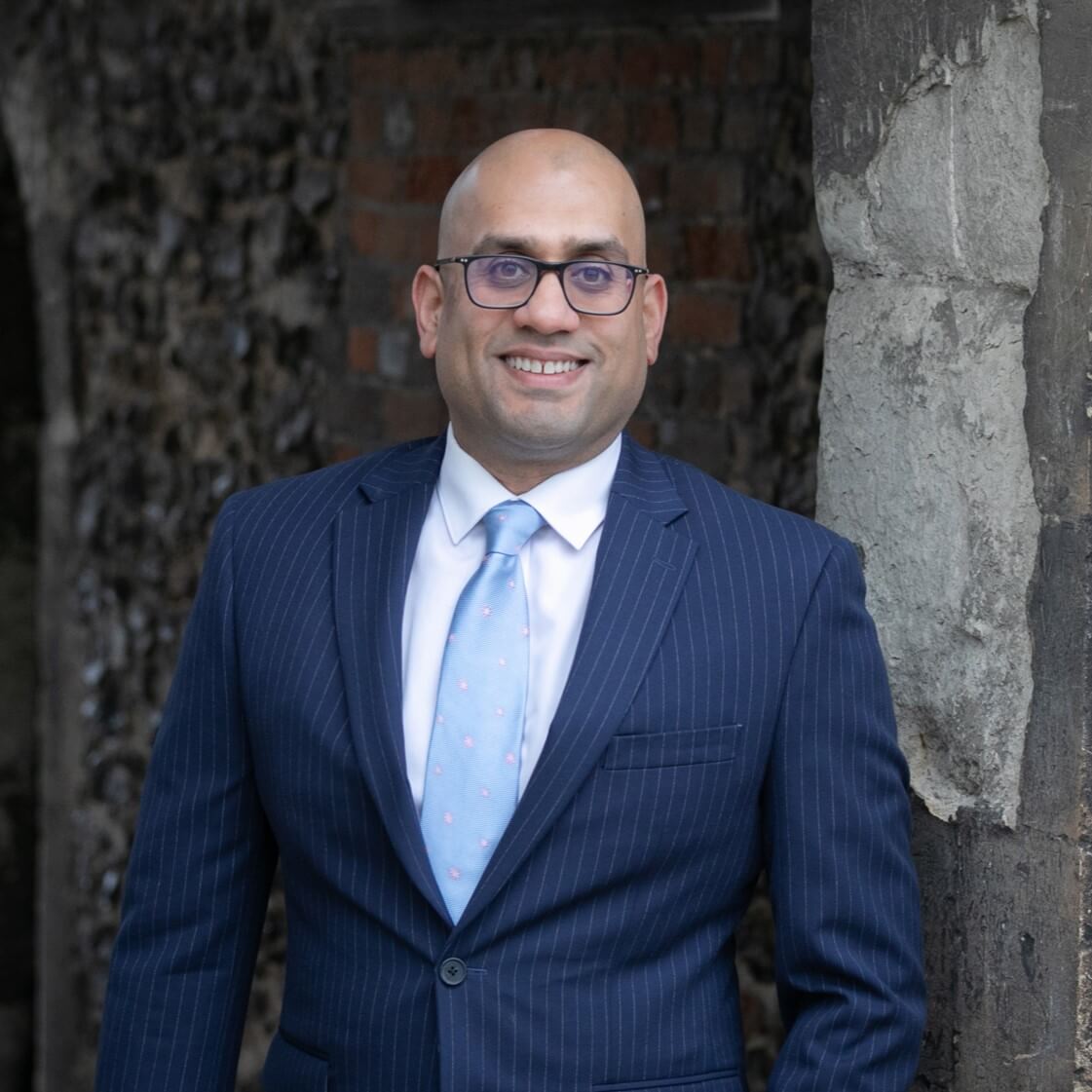
Vinesh Patel – Drink Driving Solicitor
Vinesh Patel is a Director at Stryders, with extensive experience defending clients facing serious criminal allegations. Qualified in 2004, he brings meticulous attention to detail and a robust approach to Drink Driving cases, providing clear advice and specialist representation throughout criminal proceedings.
How Stryders Can Help with Drink-Driving Charges
At Stryders, we understand how unsettling a drink-driving investigation can be, particularly when you are concerned about losing your licence or the consequences for your employment and family responsibilities.
Our experienced criminal defence solicitors can provide advice at the police station, examine the prosecution evidence and assess whether there are grounds to challenge the allegation. If the case proceeds to court, we can explain the potential penalties, advise on your options and provide representation throughout the proceedings.
Getting specialist legal advice early can help ensure that you understand your position and that the evidence and circumstances of your case are properly considered.
In Summary
Failing a roadside breathalyser normally leads to further police investigation, including evidential testing. It does not automatically mean that you will be convicted of drink-driving.
The police must follow the applicable legal procedures, and the prosecution must prove the offence before a conviction can follow. Understanding your rights and obtaining specialist advice can be particularly important when you are facing questioning or criminal charges.
If you have failed a breathalyser test or been arrested on suspicion of drink-driving, contact Stryders on 0333 577 2999 for specialist criminal defence advice and representation.
Breathalyser & Drink-Driving Ban FAQs
Breathalyser & Drink-Driving Ban FAQs
Here are some of the frequently asked questions we receive about drink-driving offences. If you have any questions which are not answered here, you can contact us via our online form for more information.
Can I be arrested for failing a roadside breathalyser in England and Wales?
Yes. If you fail a roadside breathalyser test in England and Wales, the police can arrest you on suspicion of drink-driving. You will normally be taken to a police station for further evidential testing. However, failing a roadside test does not automatically establish that you have committed a drink-driving offence.
If you have been arrested following a failed roadside breathalyser test, obtaining specialist legal advice as soon as possible is important. Stryders provides expert drink-driving defence and police station representation in Stevenage, St Albans and Leighton Buzzard. Call 0333 577 2999 or use our online contact form for confidential advice.
What is the legal breathalyser limit in England and Wales?
The legal alcohol limit for drivers in England and Wales is 35 micrograms of alcohol per 100 millilitres of breath. The corresponding limits are 80 milligrammes per 100 millilitres of blood and 107 milligrammes per 100 millilitres of urine.
If you are facing a drink-driving allegation, understanding the legal alcohol limits and how your evidential breath test is assessed can be important to your defence. Stryders provides specialist drink-driving advice and representation in Stevenage, St Albans and Leighton Buzzard. Call 0333 577 2999 or contact us through our online contact form to discuss your circumstances.
Can I request a blood test instead of a breathalyser?
You cannot generally insist on a blood test simply because you disagree with a breathalyser result. In England and Wales, the police may require a blood or urine specimen where specific statutory conditions apply, including certain medical or equipment-related circumstances. The testing procedure must comply with the Road Traffic Act 1988.
If you believe there were problems with the breathalyser testing procedure or the evidence obtained by police, specialist legal advice can help establish whether there are grounds to challenge your case. Stryders represents individuals facing drink-driving allegations in Stevenage, St Albans and Leighton Buzzard. Call 0333 577 2999 or use our online contact form for advice.
What happens if I refuse to provide a breath sample?
Refusing to provide a breath sample when lawfully required, without a reasonable excuse, can lead to criminal prosecution in England and Wales. Failing to provide an evidential specimen is a separate offence that may result in a driving ban, a fine or imprisonment. A genuine medical condition may provide a reasonable excuse, depending on the circumstances.
If you have been accused of failing to provide an evidential specimen, it is important to understand the potential consequences and whether you may have a reasonable excuse. Stryders provides specialist criminal defence representation for failing to provide specimen offences and other motoring offences in Stevenage, St Albans and Leighton Buzzard. Call 0333 577 2999 or contact us through our online contact form for confidential advice.
Can I drive after failing a roadside breathalyser test?
A failed roadside breathalyser does not automatically impose a formal driving disqualification in England and Wales. However, you must not continue driving while you remain unfit because of alcohol. If you are arrested, the police may prevent you from driving while the investigation continues. You should only drive again when you are legally entitled and fit to do so.
If you have failed a roadside breathalyser test or been arrested on suspicion of drink-driving, understanding your legal position and whether you can continue driving is essential. Stryders provides specialist drink-driving defence and advice to motorists in Stevenage, St Albans and Leighton Buzzard. Call 0333 577 2999 or use our online contact form to discuss your situation.
Can a drink-driving charge be dropped if the police make a mistake?
Possibly. In England and Wales, a significant procedural error, unreliable evidence or failure to satisfy a legal requirement may affect whether a drink-driving prosecution can proceed. However, not every police mistake invalidates a case. A criminal defence solicitor can examine the evidence and assess whether there are legitimate grounds to challenge the charge.
If you believe the police have made a procedural error or mishandled evidence in your drink-driving case, specialist legal representation can help establish whether there are grounds to challenge the prosecution. Stryders provides expert drink-driving defence in Stevenage, St Albans and Leighton Buzzard. Call 0333 577 2999 or get in touch through our online contact form to discuss your case.